

Exploring How Data, Evidence and AI Can Improve Health Outcomes
Milestones Newsletter | Issue 15, Summer 2026
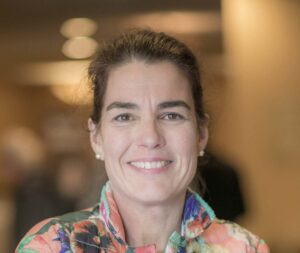
Throughout her career, Dr. Astrid Guttmann has worked at the intersection of child health, public policy and healthcare delivery. A paediatrician and health services researcher, she has used population-based data to better understand challenges facing children, youth and families and identify opportunities for meaningful system change. As a long-time contributor to PCMCH and former member of its Governing Council and Child and Youth Committee, she has also played an active role in advancing child health policy in Ontario.
Dr. Guttmann currently serves as the CEO of ICES – a leading health research and analytics institute, which uses Ontario health data to generate evidence that informs healthcare policy, planning and delivery.
“I was always very interested in policy and the wider spheres of society that influence people’s lives,” she said. “The alignment of my medical interest in paediatrics and research in health services and policy was a natural fit.”
Using Data to Drive Better Outcomes
One area where Dr. Guttmann’s approach is especially evident is her work on prenatal opioid exposure. Using Ontario’s population-based health data, she has helped advance understanding of how opioid use during pregnancy affects infants, families and communities. Her research has examined both the epidemiology of prenatal opioid exposure and how healthcare systems support affected families over time.
“We started by identifying mothers and infants in the data and understanding the epidemiology,” she said. “From there, we looked at how the health system serves those families, what the longer-term outcomes might be, and how we can better support those affected by prenatal opioid exposure.”
Dr. Guttmann’s ongoing work on prenatal opioid exposure, which she currently leads at ICES, has expanded to include partnerships with PCMCH and other system partners, First Nations communities, and people with lived experience. This work is helping bring greater attention to an issue that had often been overlooked within broader conversations about the opioid crisis.
Data, AI and the Future of Healthcare
As healthcare generates more information, Dr. Guttmann sees significant opportunities to use data and artificial intelligence to improve planning, accelerate discovery and strengthen care. She believes that AI can become an important tool for both researchers and health systems. At the same time, she emphasizes that AI innovation must be accompanied by strong governance, transparency and public trust.
“AI is a powerful tool that can help us do a better job analyzing complex data and improve how people interact with the healthcare system,” she said. “It can help reduce hospital wait times, address areas such as rare diseases, and support work in child and youth mental health.”
Despite rapid advances in data science and technology, Dr. Guttmann believes that health system change must begin at the human level.
“To improve health outcomes, it’s important that we listen to the children, families and communities behind the data,” she said. “Strong evidence starts at the human level, by building relationships and listening to communities first.”
Learn more about how ICES is using AI to support its research and analytic activities.
Dr. Guttmann is grateful and inspired by the many colleagues, partners and communities she works alongside. “Their commitment to improving the health of children and families motivates my work and reinforces the importance of collaboration in driving meaningful change,” she said.
PCMCH thanks Dr. Astrid Guttmann for her contributions and for sharing her insights.