Annual Report 2024-2025
Download PDF

Joint Message from the Chair and Executive Director
Taking Meaningful Steps to Improve Health Outcomes
At PCMCH, we are committed to taking the tangible steps needed to strengthen Ontario’s healthcare system and enhance perinatal, neonatal and paediatric care. Improving health outcomes for Ontario’s pregnant women and individuals, babies, children and families is not just an aspiration for us; it’s the foundation of everything we do.
In this annual report, you will find many examples of how we are working to improve perinatal, neonatal and paediatric health outcomes in Ontario. One of the ways we did this in FY 2024/25 was through the creation of evidence-based healthcare resources. Available in various formats—from webinars to in-person workshops to fact sheets—these resources cover a wide range of important topics, including supporting youth living with diabetes; supporting individuals who have experienced early pregnancy complication and loss; and preventing the spread of common respiratory illnesses, such as Respiratory Syncytial Virus (RSV). These resources support Ontario’s healthcare providers and families by giving them the essential information they need.
This past year, we continued to drive health system improvements—a strategic priority for PCMCH—through quality improvement projects such as the Emergency Department Paediatric Readiness (EDPR) initiative. The EDPR initiative strives to enhance emergency care for children by assessing the current state of paediatric readiness and identifying strengths and opportunities for improvement in Ontario’s hospitals. In 2024, we were pleased to release the EDPR report, which summarizes the findings of a 2022 province-wide survey of hospitals, along with a user-friendly checklist that hospitals can use to self-assess their paediatric readiness.
By working collaboratively with our partners and contributors, PCMCH is taking steps to build a stronger, more resilient Ontario healthcare system—a system that not only meets the needs of today but also supports healthier futures for generations to come.
As always, we are grateful to the many individuals who make our work possible, including the PCMCH Secretariat, Governing Council, our partners and everyone who participates in our initiatives. We look forward to working with you in the months and years ahead.

Bruce Squires
Chair

Sanober Diaz
Executive Director
Highlights from FY 2024/25
Resources for Indigenous Communities
Indigenous Peoples living in Ontario continue to face barriers in the healthcare system due to systemic racism and the lasting effects of colonization. To help address these disparities, PCMCH is strengthening its relationships with Indigenous organizations to ensure our efforts to improve health equity are guided by Indigenous voices.
Read More
This past year, we continued our partnership with the Indigenous Primary Health Care Council (IPHCC) to create health resources tailored for Indigenous communities. Together, we developed a measles fact sheet to provide clear information on how the virus spreads, the importance of being up to date with vaccinations and steps to take if exposed. We also partnered with IPHCC to launch an RSV fact sheet designed for Indigenous parents, families and caregivers, offering guidance on RSV prevention for infants and high-risk children. To ensure accessibility and cultural relevance, this fact sheet is available in six languages, including four Indigenous languages: Mohawk, Ojibwa, Cree and Inuktitut.
PCMCH remains committed to breaking down barriers and empowering Indigenous families with the information they need to make informed health decisions.
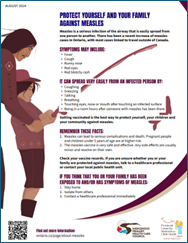
IPHCC-PCMCH Measles Fact Sheet
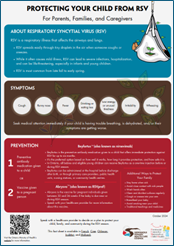
IPHCC-PCMCH RSV Fact Sheet for Indigenous Families and Caregivers
Advancing Equity, Diversity and Inclusion
PCMCH is committed to advancing equity, diversity and inclusion (EDI) within our organization and in Ontario’s perinatal, neonatal and paediatric healthcare system.
Read More
We are dedicated to fostering an inclusive and equitable organization. Over the past fiscal year, we conducted internal staff readiness assessments to understand experiences, knowledge gaps and training needs. We developed an inclusive language guide in collaboration with BORN Ontario to ensure respectful and accessible communication. Additionally, we continue to increase representation from patient and family advisors and equity-deserving communities in our decision-making processes.
To advance EDI in the healthcare system, we developed resources to help healthcare providers better serve diverse communities. We expanded the availability of our infant RSV prevention fact sheet to seven additional languages beyond – French, Simplified Chinese, Traditional Chinese, Arabic, Italian, Punjabi and Spanish – making critical health information more accessible to diverse populations. We also engaged with organizations that support newcomers to Canada to identify healthcare barriers and build collaborative solutions.
Addressing systemic inequities in healthcare is an ongoing journey. We are grateful for the trust and collaboration of our partners and remain committed to fostering a more inclusive and equitable healthcare system for all families in Ontario.
Regional Maternal-Child Networks
Ontario’s regional maternal-child health networks (“regional networks”) strengthen linkages among maternal-child healthcare providers to improve health outcomes and health equity for perinatal, neonatal and paediatric populations within their respective catchment areas. The regional networks work closely with PCMCH to advance our shared goals.
Read More
In FY 2024/25, the regional networks continued to work collaboratively with their partners to meet the province’s evolving healthcare system needs, engaging with provincial entities, healthcare providers, their communities and others. They played a key role, for example, in distributing important healthcare resources – such as PCMCH’s respiratory syncytial virus (RSV) fact sheets – to parents and providers. They utilized their strong connections with hospitals to share and discuss the Emergency Department Paediatric Readiness (EDPR) initiative findings and readiness checklist, enhancing ED paediatric readiness across the province. And they continued to advance the professional development of healthcare providers – facilitating simulation-based training, virtual workshops, certification programs and more – to effectively address healthcare needs and gaps in their regions.
Through these efforts and many others, the regional networks are strengthening Ontario’s perinatal, neonatal and paediatric healthcare system, ensuring families receive the best possible care.
PCMCH social media post highlighting the Regional Networks
Emergency Department Paediatric Readiness (EDPR) Inititiave
Every child deserves high-quality emergency department (ED) care. As such, it is imperative that all EDs in Ontario are “paediatric ready” – a state achieved by having sufficient processes, resources and supports in place.
Read More
PCMCH’s Emergency Department Paediatric Readiness (EDPR) initiative is a quality improvement measure that aims to enhance emergency care for children across Ontario. It does so by:
- assessing the current state of paediatric readiness through a province-wide survey;
- identifying strengths and opportunities for improvement;
- sharing resources to help Ontario EDs enhance their paediatric readiness; and
- monitoring the provincial ED system’s progress in paediatric readiness over time.
In FY 2024/25, PCMCH published its findings report from the 2022 province-wide assessment survey that also identifies strengths and opportunities to drive quality improvement within organizations. In addition, we developed and shared a user-friendly checklist that hospitals can use to self-assess their paediatric readiness.
Through the EDPR initiative, PCMCH is working to ensure all children in the province receive the best possible care when they need it most. As part of our next steps, we are now engaging with system partners to identify opportunities for improvement.
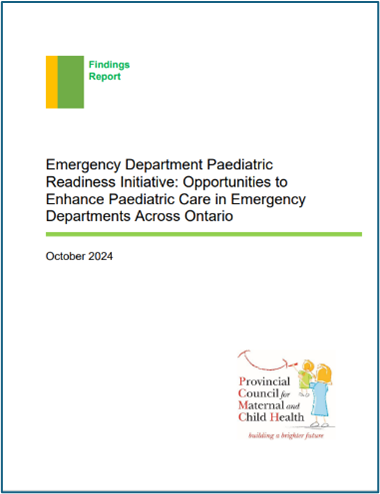
EDPR Findings Report
Complex Care for Kids Ontario (CCKO) Expansion in Northern Ontario
Complex Care for Kids Ontario (CCKO) is a PCMCH-led provincial program aimed at supporting children with complex medical needs by providing coordinated care closer to home. By integrating healthcare and social support services, CCKO improves care continuity and access for families across Ontario. In FY 2024/25, PCMCH continued to develop and expand the CCKO sites in Northern Ontario.
Read More
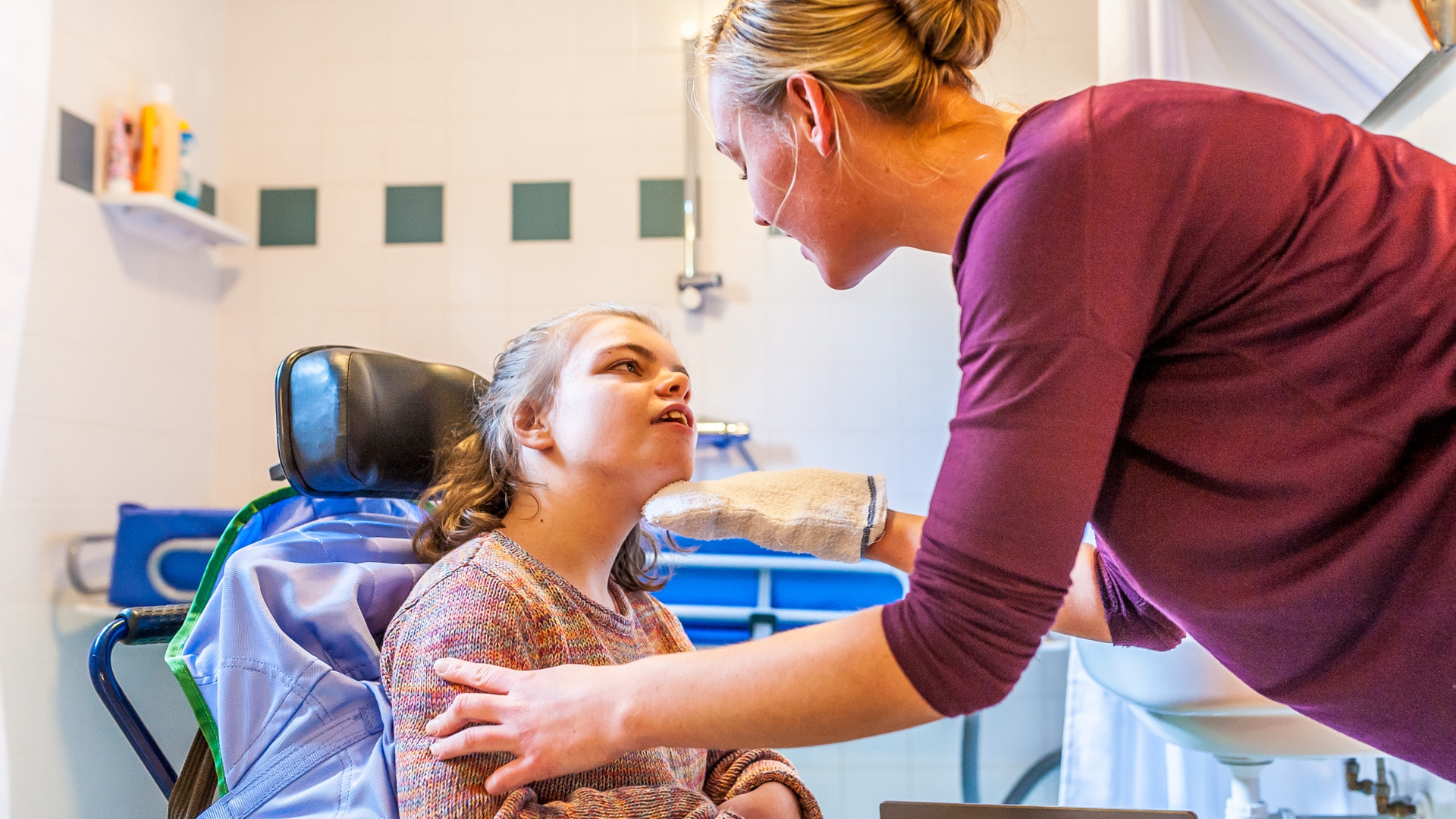
The Health Sciences North (HSN) CCKO Complex Care clinic, launched in 2024, successfully onboarded a nurse practitioner, established care procedures and continued to collaborate with tertiary sites. HSN is currently providing care to patients with medical complexity and is collaborating with the SickKids’ Complex Care team to develop processes to transition Northeastern Ontario patients from SickKids to be seen closer to home. The site will continue expanding services while building community awareness to support more children in Northeastern Ontario.
Thunder Bay Regional Health Sciences Centre (TBRHSC) aims to provide care closer to home in Northwestern Ontario. TBRHSC has successfully onboarded a nurse practitioner and is currently collaborating with community and tertiary partners in preparation for the launch of its complex care clinic in FY 2025/26. TBRHSC will work closely with the London Health Sciences Centre (LHSC) Complex Care team to develop a collaborative care model that enables Northwestern patients to be transitioned from LHSC to receive care locally in Thunder Bay.
The HSN and TBRHSC CCKO sites will continue strengthening local complex care clinics to ensure that patients and families in Northern Ontario receive high quality, patient- and family-centred care close to home as much as possible.
Early Pregnancy Complications and Loss Workshop
In Ontario, individuals experiencing early pregnancy complications and loss often struggle to access timely, specialized and compassionate care. For many, the emergency department is their first point of contact, highlighting the need for improved care pathways.
Read More
On October 8, 2024, a diverse group of healthcare professionals, government representatives and individuals with lived experience convened to participate in the workshop aimed to collaboratively explore solutions for improving care for individuals experiencing early pregnancy complications and loss in Ontario. Co-hosted by PCMCH, the PAIL Network and BORN Ontario, this event highlighted the importance of innovative solutions and implementation pathways to improve care across the province.
This workshop brought together individuals from diverse settings to explore the lived experiences of individuals and examine a variety of existing and innovative care models currently in practice. Presentations described how these models align with the recommendations set forth in Ontario’s Quality Standard for Early Pregnancy Complications and identified areas for improvement. Participants shared key insights and strategies and collaborated to develop actionable recommendations to enhance the quality of care for individuals and families experiencing early pregnancy complications and loss.
Read the Summary Report for the Early Pregnancy Complications and Loss Workshop.
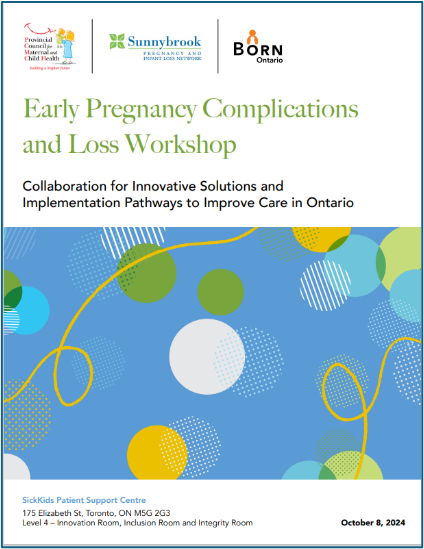
Early Pregnancy Complications and Loss Workshop Brochure
Respiratory Viruses and Immunizations
PCMCH is dedicated to improving health outcomes for pregnant individuals, newborns, children, youth and their families. A key part of this work is providing evidence-based resources to help healthcare providers and the public navigate pressing health challenges, such as the spread of respiratory viruses.
Read More
In FY 2024/25, in alignment with Ontario’s expanded respiratory syncytial virus (RSV) prevention program, we developed fact sheets to help healthcare providers, and parents and expectant parents understand the impact of RSV on infants and high-risk children. These resources share essential information about RSV and explain immunization options.
To further support families and providers, PCMCH launched a Respiratory Illnesses and Immunizations webpage. This page offers up-to-date information and evidence-informed resources on common respiratory viruses and available immunizations, featuring materials from PCMCH, government agencies, and healthcare organizations.
We are grateful to our partners, subject matter experts, and patient and family advisors for their contributions to these efforts, ensuring families across Ontario have the information they need to keep their children healthy.
Ontario Paediatric Bariatric Network (OPBN) Education Hub
On March 24, 2025, PCMCH’s Ontario Paediatric Bariatric Network (OPBN) successfully hosted the inaugural meeting for its new Education Hub at the Hospital for Sick Children (SickKids).
Read More
The OPBN is comprised of 12 clinics delivering medical management of paediatric obesity, with one site also incorporating bariatric surgery as a treatment option for adolescents. Through the creation of a comprehensive and flexible Education Hub, the OPBN aims to empower stakeholders, significantly enhance timely and effective patient care across the network and address diverse patient and family needs.
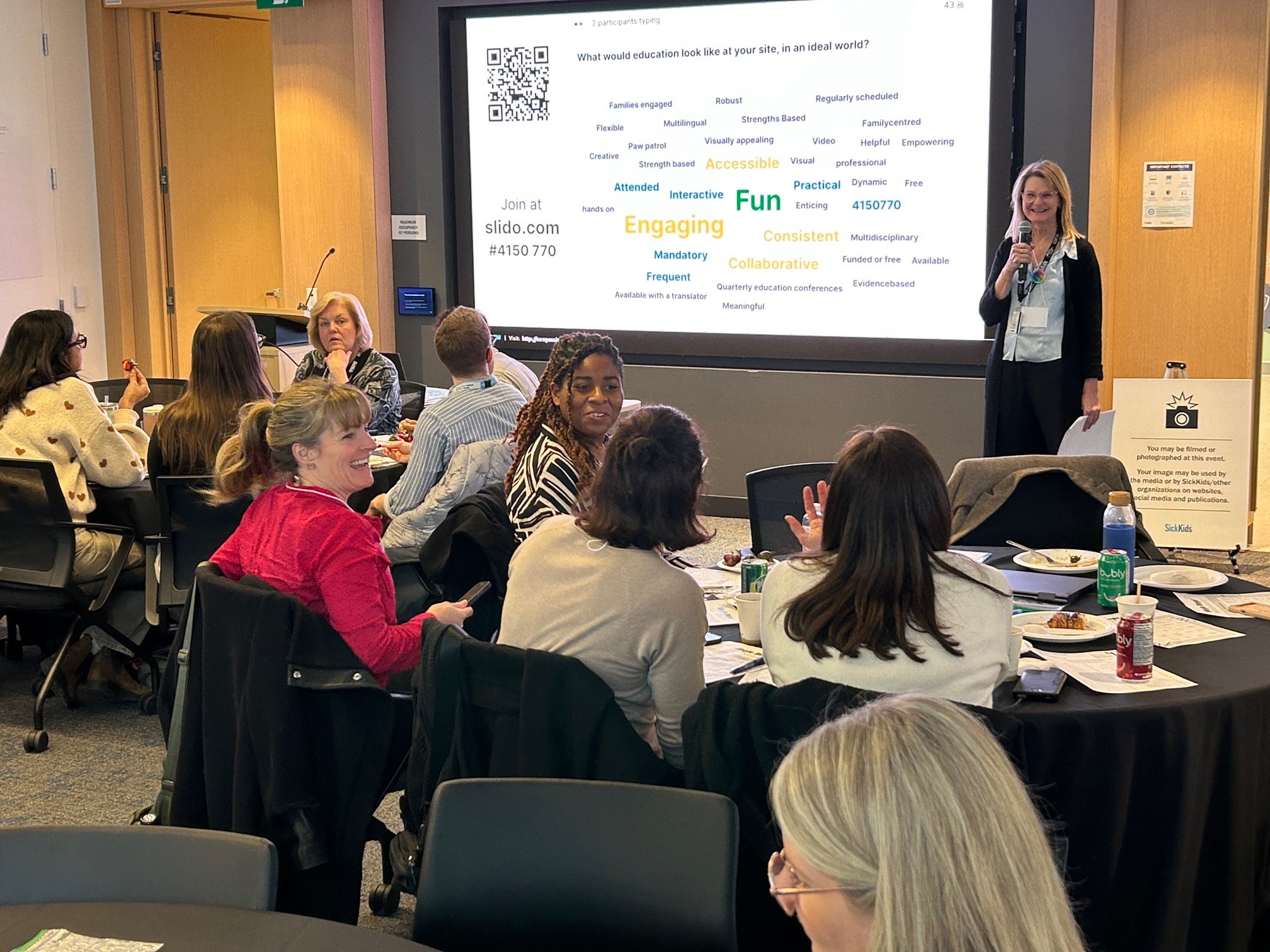
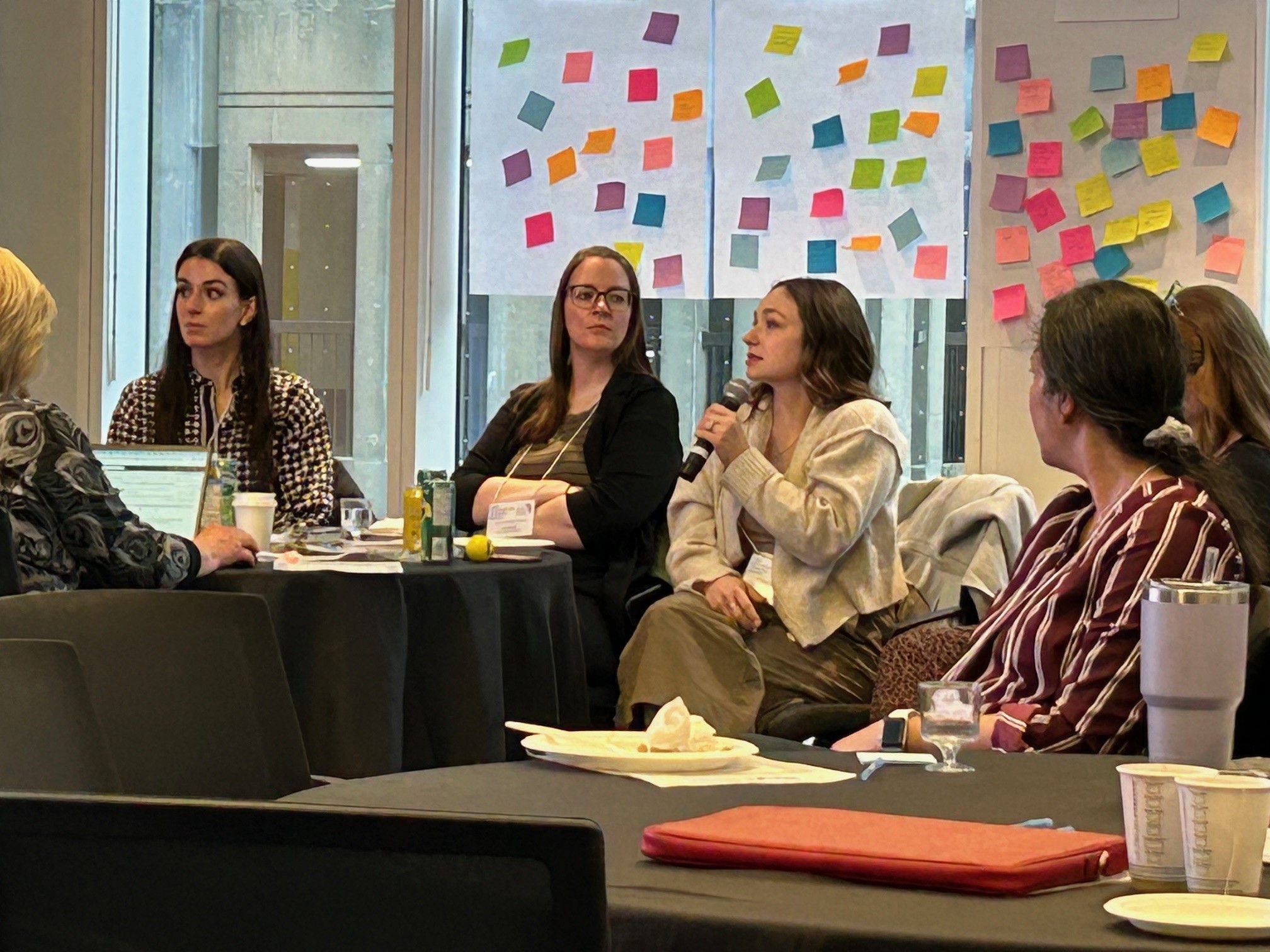
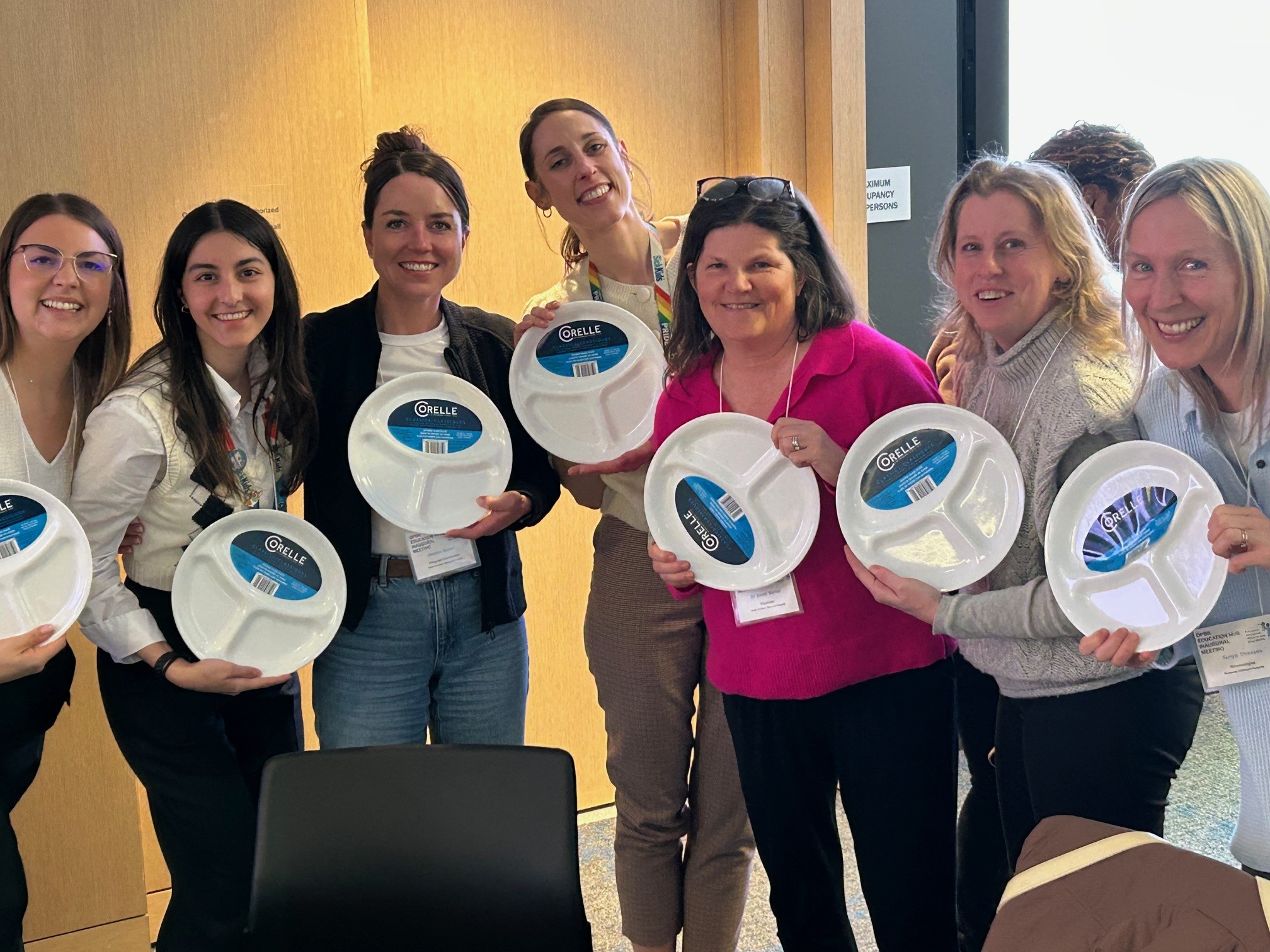
Attended by 73 members of the OPBN, the inaugural meeting marked a major milestone in the development of the Education Hub. During the event, clinical staff representatives shared insights about their respective programs, including strengths and gaps. Attendees also participated in engagement activities as well as brainstorming sessions to discuss the Hub’s future priorities and define measures of success.
The SickKids Healthy Living Clinic, as the coordinating site, will continue leading the development and delivery of the Education Hub across the network with oversight from PCMCH. An OPBN Steering Committee is being established with members from across the OPBN sites who will advise on key priorities and oversee implementation.
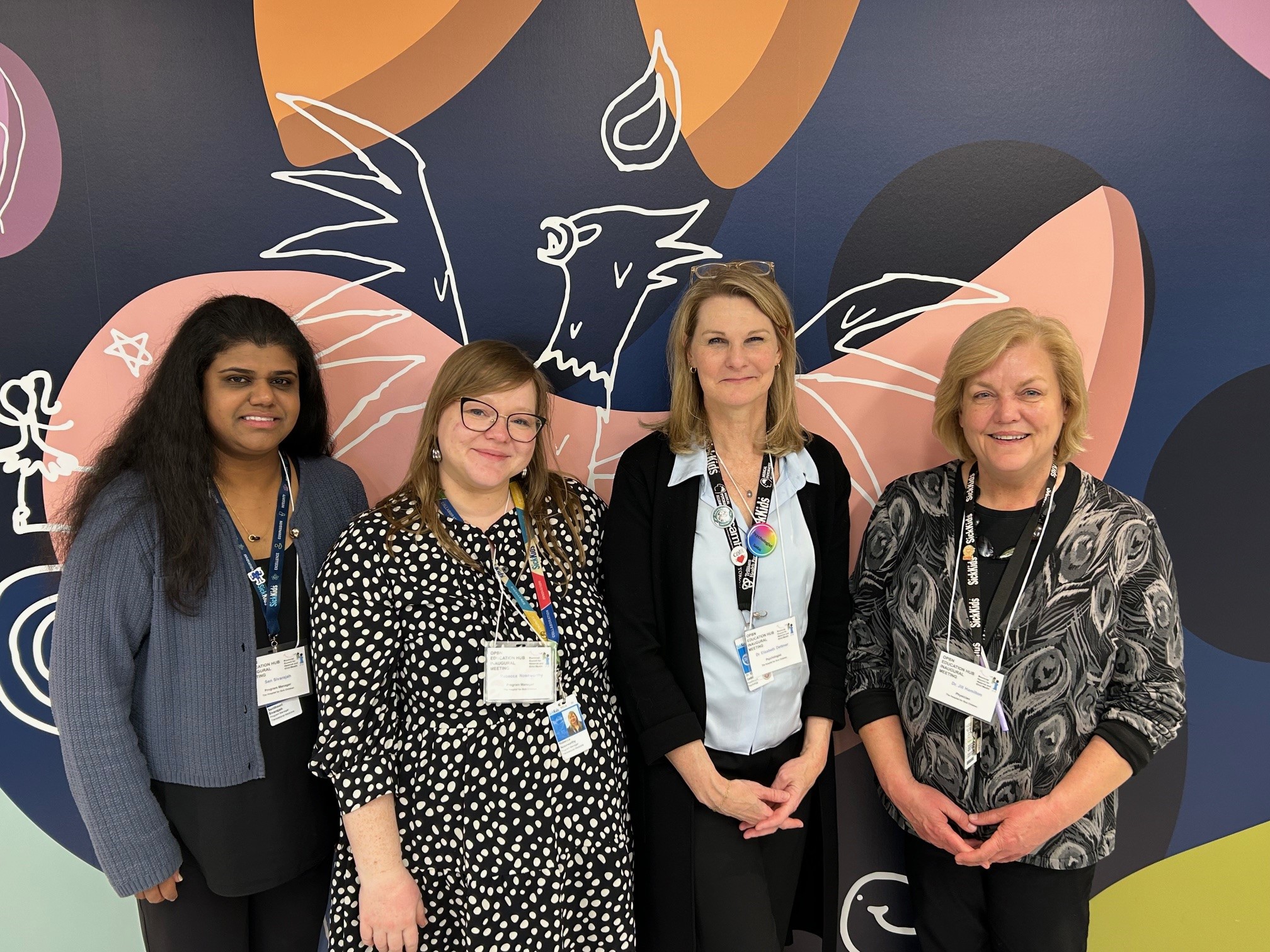
Below: Photos of attendees at the OPBN Education Hub launch
Paediatric Diabetes Network (PDN) Rounds and Webinars
PCMCH supports improvements to the provision of paediatric diabetes care in Ontario by organizing and hosting complex case rounds and webinars for the Paediatric Diabetes Network (PDN).
Read More
Coordinated by PCMCH since 2013, the PDN is comprised of 35 specialized paediatric diabetes education programs (PDEPs) located primarily in hospitals and community health centres across Ontario.
In FY 2024/25, the PDN held two complex case rounds led by clinical staff from the Children’s Hospital of Eastern Ontario and the Hospital for Sick Children. These rounds focused on management of type 2 diabetes and psychological risk assessment for type 1 diabetes, providing opportunities for PDEP staff to learn from each other.
Intended to complement the rounds and address emerging topics in paediatric diabetes management, the PDN webinars are open to the broader paediatric healthcare community and primary care providers. In FY 2024/25, the PDN hosted three webinars:
- Addressing Stigma, Insulin Omission for Weight Loss, and the Power of Support
- Supporting Youth Living with Diabetes Through Their Transition to Post-Secondary School
- Diabetes in School: Examining the Gap Between Policy and Practice
Webinar presenters included staff from diabetes organizations (Diabetes Hope Foundation), researchers and clinicians within and outside of Ontario (McMaster University and McGill University), and people with lived experience of diabetes (caregivers and young adults).