

Hosted by PCMCH, the Paediatric Diabetes Network (PDN) webinar series highlights current practices, emerging evidence, and both practical and novel approaches to supporting children and youth living with diabetes.
In 2024, PCMCH also started hosting PDN Complex Case Rounds for members of the PDN only. These Rounds showcase the work of paediatric diabetes education programs (PDEPs) across the province. They are intended to serve as practical learning opportunities, facilitate knowledge sharing, capacity building, and networking across the PDN.
Past Presentations
Beyond the Numbers: Psychological Aspects of Early Stage T1D (Presented June 17, 2026)
Learning Objectives
- Identify common psychological responses to screening positive for islet autoantibodies
- Identify simple strategies providers can use in clinic to support patients with early stage T1D
About the Speaker
Dr. O’Donnell is a licensed clinical psychologist and Assistant Professor of Pediatrics at the University of Colorado School of Medicine and Barbara Davis Center for Diabetes in Colorado. Her research interests include: 1) the psychological impact of screening for type 1 diabetes (genetic risk and autoantibodies); 2) psychological aspects of living with type 1 diabetes (e.g., fear of hypoglycemia, diabetes distress); and 3) integration of psychological care into the clinic setting.
She is a member of the Psychosocial Committees for TEDDY and TrialNet, and serves as the consulting psychologist for the Autoimmunity Screening in Kids Study. She currently is the Principal Investigator (PI) of a grant adapting cognitive-behavioral therapy to address anxiety in individuals with early stage T1D.
Clinically, she enjoys working with patients of all ages and their families to address psychological aspects of living with type 1 diabetes (both early and established T1D), and to improve quality of life.
Bridging the Gap in Diabetes Care Transitions: Research Findings and an Opportunity to Join the BRIDGE-T1D Study (Presented February 19, 2026)
Learning Objectives
- Highlight common challenges faced by youth transitioning from paediatric diabetes programs to adult diabetes care
- Describe key findings from the Bridging the Gap study, including the impact of an audit and feedback (A&F) intervention on diabetes management during the first year of adult care
- Introduce BRIDGE-T1D, a study investigating whether including youth in a community of practice with A&F improves transition outcomes
About the Speaker
Dr. Ian Zenlea is a paediatric endocrinologist, clinician scientist, and the Division Head and Medical Director of Children’s Health at Trillium Health Partners and the Institute for Better Health. He holds an academic appointment in the Temerty Faculty of Medicine at the University of Toronto. At Trillium Health Partners, Dr. Zenlea leads the Family and Child Health Initiative, a community-based participatory research program that co-designs, co-implements and co-evaluates services, interventions, and programs in partnership with community members. His work focuses on improving the health and well-being of children and families in the Peel region, across Ontario and nationally. Outside of his professional roles, Dr. Zenlea is a father of three boys and enjoys skiing, golf, travelling and science fiction.
Dr. Rayzel Shulman is a paediatric endocrinologist at The Hospital for Sick Children and a Scientist in the Child Health Evaluative Sciences program at the SickKids Research Institute. Her research program is focused on developing and evaluating health services interventions to improve health outcomes and the quality of care for youth living with diabetes. An area of focus is transition to adult care.
Dr. Nicola McCleary is an early-career implementation scientist in the Child Health Evaluative Sciences Program at SickKids Research Institute. Her research program uses behaviour change approaches to improve the uptake of evidence in healthcare. She has over a decade of experience in implementation science, working to advance the evidence base for effective implementation strategies and developing theory and methods in the field. She has led studies to elucidate barriers to and enablers of change in healthcare contexts and to investigate the mechanisms of action through which implementation interventions operate to achieve intended impacts. She has expertise in conducting process evaluations alongside randomized controlled trials and will co-lead the process evaluation work.
My Journey from Patient Partner to CanScreenT1D Indigenous Research Coordinator (Presented November 18, 2025)
Learning Objectives
- Reflect on how caregivers can contribute to shaping diabetes care delivery
- Gain insight into the Canadian Population Screening for Risk of Type 1 Diabetes (CanScreenT1D), specifically Indigenous-led projects within CanScreenT1D
- Understand the importance of Indigenous involvement in healthcare research
About the Speaker
Sasha Delorme is a Métis woman and mother who is passionate about diabetes advocacy, shaped in large part by her own family’s experience with the condition. She is committed to improving diabetes research and care and has contributed to a wide range of projects and workshops, including initiatives focused on diabetes and anti-racism in healthcare.
Sasha has served as Chairperson of the Indigenous Patient Circle in Diabetes Action Canada and has participated in numerous committees. She currently sits on Diabetes Canada’s Person With Lived Experience Committee, as well as CommuniT1D, a mental health initiative supporting people living with Type 1 Diabetes.
Sasha now works as Research Coordinator for the Canadian Population Screening for Risk of Type 1 Diabetes (CanScreenT1D) project.
Practical Approaches to Addressing Fear of Hypo/Hyperglycemia in Diabetes Clinics – Case Studies (Presented June 11, 2025)
Learning Objectives
- Provide a review of the framework for the psychosocial impact of diabetes
- Summarize two cases related to fear of hypoglycemia and hyperglycemia
- Learn practical approaches to manage these types of fears in diabetes clinics
About the Speakers
Jessica C. Kichler, CDCES, PhD, C.Psych., is an Associate Professor and Clinical Psychologist in the Department of Psychology at the University of Windsor, specializing in Paediatric and Health Psychology. She is certified in the United States as a Diabetes Care and Education Specialist.
Practical Approaches to Addressing Diabetes Distress in Clinics (Presented May 15, 2025)
Learning Objectives
- Provide a framework for understanding the psychosocial impact of diabetes and the role of the diabetes provider
- Summarize the similarities/differences between diabetes distress versus diabetes burnout and how they are identified
- Learn strategies to incorporate practical approaches to prevent/manage diabetes distress and burnout symptoms in diabetes clinics
About the Speaker
Jessica C. Kichler, CDCES, PhD, C.Psych., is an Associate Professor and Clinical Psychologist in the Department of Psychology at the University of Windsor, specializing in Paediatric and Health Psychology. She is certified in the United States as a Diabetes Care and Education Specialist.
Let’s Get Practical! Navigating the DIY “Looping” Journey (Presented April 9, 2025)
Learning Objectives
- Review the Diabetes Canada DIY aid position statement, including clinical evidence and ethical considerations
- Explore the key elements of the “Loop” AID system to guide adjustment decisions in practice
- Navigate strategies to support PWD using DIY AID systems to optimize outcomes
About the Speaker
Alanna Chambers is a Registered Dietitian, Certified Diabetes Educator, and Certified Pump Trainer from Kelowna, BC. She has worked and volunteered in various diabetes settings across the country and now focuses on technology training and education for both people living with diabetes and healthcare professionals. Alanna has been honoured to actively work on recent Diabetes Canada initiatives, including the DIY Automated Insulin Delivery Position Statement and the 2025 CPG update on Glycemic Management of Type 1 Diabetes Across the Lifespan. Having lived with type 1 diabetes for over 30 years, she has learned that daily management requires a blend of knowledge and tools, along with creativity, support and self-compassion.
Breaking Barriers: Addressing Stigma, Insulin Omission for Weight Loss, and the Power of Support (Presented February 26, 2025)
Learning Objectives
- Discuss findings on type 1 diabetes stigma across ages in Canada
- Inform on factors associated to insulin omission to lose weight
- Learn about the BETTER project: Registry, training platform, patient engagement
About the Speakers
Amélie Roy-Fleming, RD, CDE, MSc
Support Platform Coordinator, The BETTER project
Asmaa Housni, RD, PhD Candidate
McGill University
Anne-Sophie Brazeau, RD, PhD
Associate Professor and Associate Director, School of Human Nutrition, McGill University
Co-Founder and Co-Director, The BETTER project
Supporting Youth Living With Diabetes Through Their Transition to Post-Secondary School, a Special PDN Webinar Featuring the Diabetes Hope Foundation (Presented October 9, 2024)
Learning Objectives
- To understand challenges and stressors associated with starting post-secondary school
- To understand how to support youth as they prepare for post-secondary school
- To learn about the Diabetes Hope Foundation’s free programs and resources designed to help students living with type 1 diabetes navigate post-secondary school
About the Speakers
Heather Miller is Executive Director of the Diabetes Hope Foundation (DHF).
Heather Cadigan is a fourth-year university student living with type 1 diabetes, DHF peer mentor, and co-author of the DHF student transition planner.
Debby Pavlove and Andrew Cunsolo are parents to a second-year university student living with type 1 diabetes.
Equitable Access to Paediatric Diabetes Care
Presented: Nov. 14, 2023
November 14th marks World Diabetes Day. In recognition of the 2023 theme – “access to diabetes care” – three leaders in paediatric diabetes presented on key issues and solutions regarding equitable access to paediatric diabetes care in Ontario and Manitoba, with an emphasis on Indigenous communities and the COVID-19 pandemic.
Watch a recording of the presentation.
About the Speakers

Dr. Sarah Dineen is a General Paediatrician practicing in Thunder Bay and the Physician Lead for the Thunder Bay Paediatric Diabetes Education Program (PDEP). She provides care to people in Northwestern Ontario, including to Indigenous fly-in reserve communities. She also has a special interest in providing care to gender diverse children and youth.
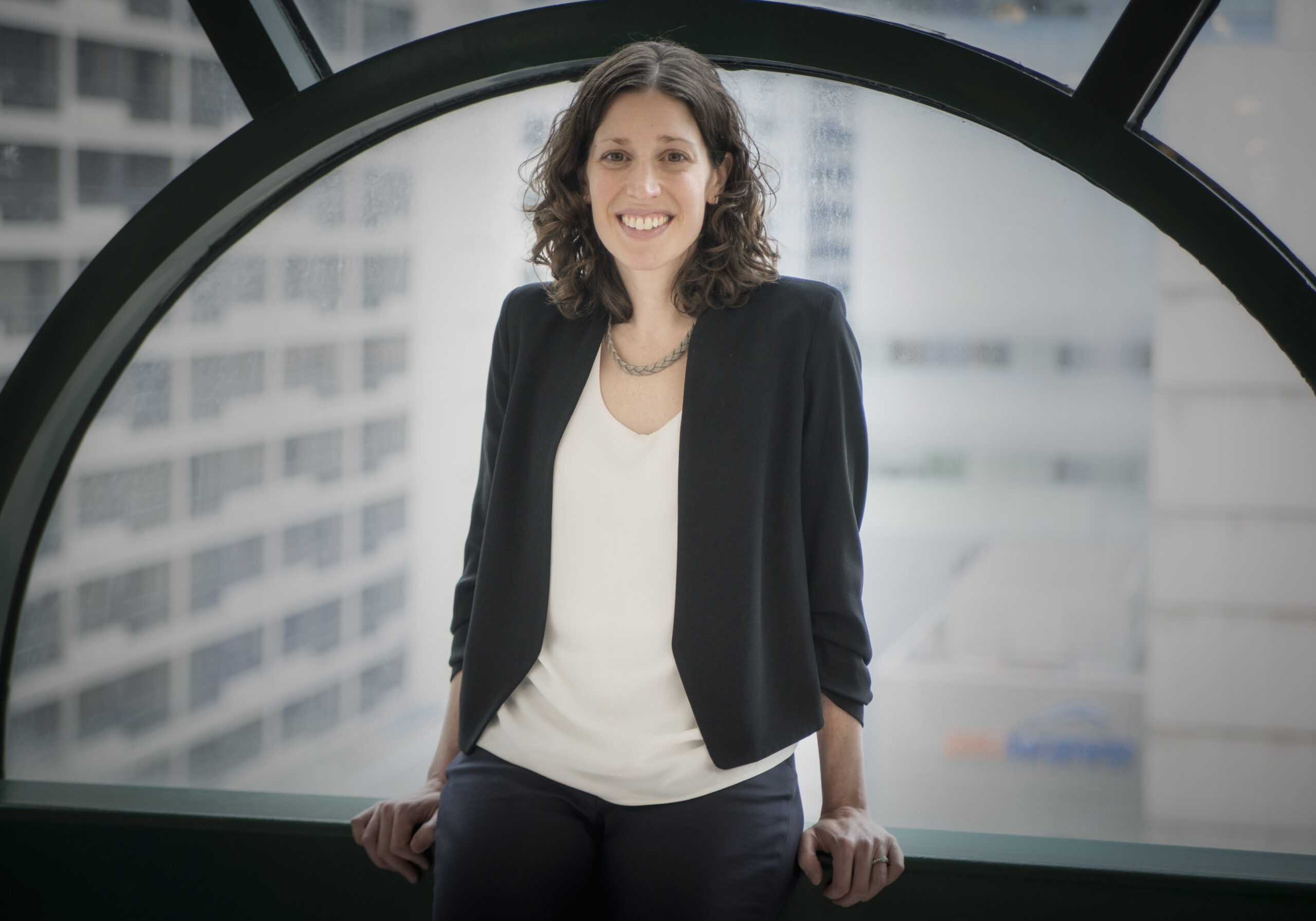
Dr. Rayzel Shulman is a Pediatric Endocrinologist in the Division of Endocrinology, Department of Pediatrics at The Hospital for Sick Children, an Associate Professor of Pediatrics at the University of Toronto, a Scientist in the Child Health and Evaluative Sciences Program at the SickKids Research Institute, and an Adjunct Scientist at ICES. Her research program is focused on developing and evaluating health services interventions to improve health outcomes and the quality of care for youth living with diabetes. She is particularly interested in developing and evaluating interventions that leverage existing population-level administrative datasets to inform health system change. Areas of focus include transition to adult care, prevention of diabetic ketoacidosis at diagnosis, and reducing socioeconomic disparities in diabetes management and outcomes.
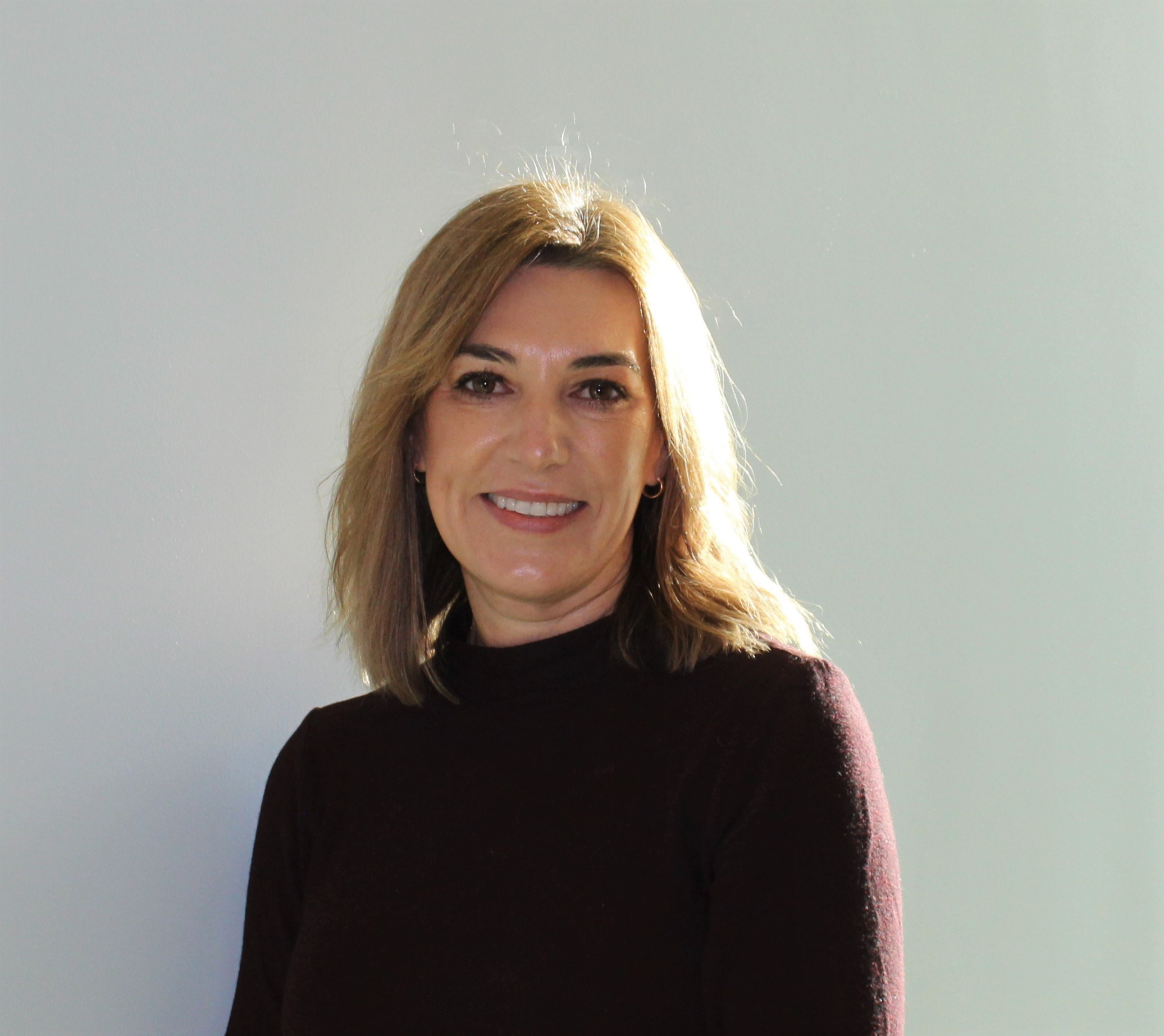
Dr. Brandy Wicklow is a Pediatric Endocrinologist, Head of the Section of Pediatric Endocrinology and Metabolism in Winnipeg, Manitoba, Associate Professor at the University of Manitoba, and Clinician Researcher at the Children’s Hospital Research Institute of Manitoba. Her clinical career focuses on healthcare provision to underserviced children and youth, including outreach type 2 diabetes subspeciality care to Indigenous children living on reserve in Northern communities. Her clinical research focuses on the intergenerational and early life determinants of type 2 diabetes and renal disease in children and adolescents, with a particular interest in the impacts of the psychological, economic, and social and structural impacts on the wholistic health of all children living with diabetes.
Traditional Knowledge-based Lifestyle Interventions in the Prevention of Obesity and Type 2 Diabetes in Indigenous Children in Canada
Presented: Jan. 25, 2023
Watch a recording of the presentation.
About the Speaker

Dr. M. Constantine Samaan is an Associate Professor, Department of Pediatrics, McMaster University and a Staff Physician, Division of Pediatric Endocrinology, McMaster Children’s Hospital. He is also an Associate Member, Department of Health Research Methods, Evidence, and Impact, Associate Faculty, Global Health Program, and the Director of Research & Scholarship at the Michael G. de Groote School of Medicine, McMaster University. Dr. Samaan completed his training in Pediatric Endocrinology at the Hospital for Sick Children, Toronto.
Dr. Samaan leads the type 2 diabetes program and runs obesity, general endocrine, and diabetes clinics at McMaster Children’s Hospital. His program of research focuses on defining the determinants of obesity and type 2 diabetes in pediatric populations, and the development of interventions to treat and prevent these conditions. In addition, knowledge synthesis and translation are other components of the program. The program has received funding from CIHR and other funding agencies.
Webinar Objectives
- Review the association of obesity with type 2 diabetes (T2D) in children.
- Review existing interventions to prevent obesity and T2D in Indigenous children in Canada.
- Discuss leadership by and partnership with Indigenous communities to prevent obesity and T2D in Indigenous children in Canada.
Evaluation of a Province-Wide Type 1 Diabetes Care Plan for Children in the School Setting
Presented: Dec. 7, 2022
Watch a recording of the presentation.
About the Speaker
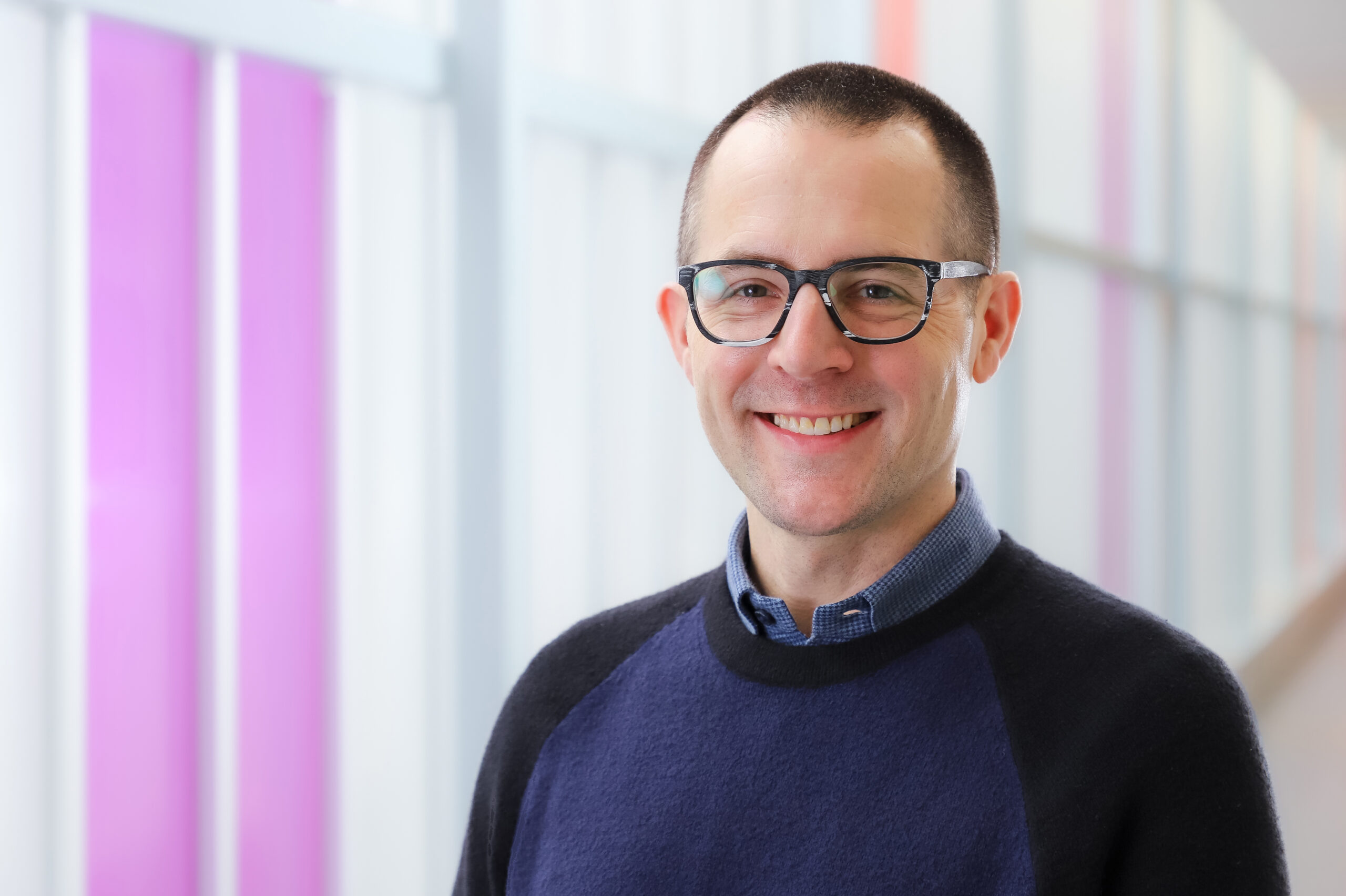
Dr. Brenden Hursh, MD, MHSc, FRCPC is a Pediatric Endocrinologist at BC Children’s Hospital in Vancouver, and works in the multidisciplinary pediatric diabetes clinic. He also provides care for families across BC by telehealth. Dr. Hursh has a specific interest in the development and assessment of diabetes care for children in the school setting. He is a consultant for BC’s provincial diabetes at school program (2014-present), where they currently provide daily diabetes care at school to nearly 400 children from across BC each year. In other related work, he has been the medical director of BC’s provincial diabetes summer camp for the past nine years, and his academic interests include the evaluation of telehealth care for children with diabetes.
Webinar Objectives
- Historical framework: To learn about the development of diabetes care in school in BC.
- How is care provided in school: To understand what diabetes care looks like in the school setting in BC.
- Evaluation of care in school: To learn from family and child evaluations of diabetes care in the school setting.
- Translation: To gain some key learnings from BC that could be helpful for other provinces.